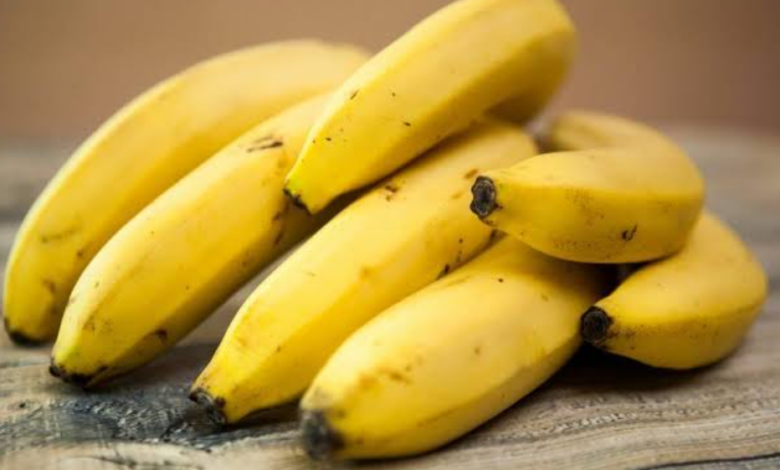
Bananas are among the most convenient fruits to enjoy throughout the day. Their naturally sweet flavor, soft texture when ripe, and easy-to-remove peel make them a practical choice for breakfast, snacks, smoothies, and homemade recipes. They are also widely available and contain several nutrients that contribute to a balanced diet. However, not every banana has the same characteristics. As the fruit matures, its color, texture, sweetness, and carbohydrate composition gradually change.
A green banana can be firm and slightly starchy, while a bright yellow banana is usually softer and sweeter. When brown spots begin to appear, the fruit is generally further along in the ripening process. These differences can influence how bananas taste, how they are used in recipes, and how comfortably some people digest them.
Understanding the characteristics of green, yellow, and brown-spotted bananas can help you make practical choices based on your food preferences, cooking habits, and nutritional needs. Rather than assuming that one stage is always better than another, it is helpful to understand what each stage offers.
1. Green Bananas Contain More Resistant Starch
Green bananas are harvested before they have fully ripened. At this stage, their flesh is firm, their flavor is relatively mild, and their texture is noticeably starchier than that of ripe bananas.
One important characteristic of green bananas is their higher content of resistant starch. This type of carbohydrate resists digestion in the small intestine and can reach the large intestine, where intestinal bacteria ferment it. The process produces short-chain fatty acids and other compounds that contribute to the intestinal environment.
Resistant starch is found in several foods, including certain grains, legumes, potatoes, and less-ripe bananas. Its amount varies according to the food, preparation method, and stage of ripeness.
Because resistant starch is not digested in the same way as ordinary starch, it may influence feelings of fullness and the body’s response to a meal. However, the effects depend on the overall diet, portion size, and individual digestive characteristics.
Green bananas are not necessarily the best choice for everyone. Their firmer texture and starchier composition may be less appealing to people who prefer sweet fruit. Some individuals may also experience gas, bloating, or abdominal discomfort when eating foods containing substantial amounts of resistant starch.
If you are unfamiliar with green bananas, trying a small serving may help you determine whether you enjoy their texture and how they fit into your usual meals.
2. Yellow Bananas Offer Natural Sweetness and Everyday Energy
As a banana ripens, its internal composition gradually changes. Some of the starch breaks down into simpler sugars, making the fruit taste sweeter and feel softer. This is why yellow bananas are often preferred for eating directly from the peel.
Their convenient texture makes them suitable for many everyday meals. A yellow banana can be added to oatmeal, sliced over breakfast cereal, blended into a smoothie, or enjoyed alongside yogurt and nuts. It can also be packed in a lunchbox or taken along as a quick snack.
Bananas contain carbohydrates that the body can use for energy. They also provide dietary fiber, potassium, and vitamin B6, making them a useful addition to a varied diet.
Potassium is an essential mineral that supports normal muscle function, nerve signaling, and fluid balance. Vitamin B6 contributes to normal protein metabolism and nervous system function. Dietary fiber supports digestive health and helps form part of a balanced eating pattern.
Although ripe bananas taste sweeter than green ones, sweetness alone does not determine whether a food belongs in a healthy diet. Portion size, overall dietary habits, and the nutritional value of the rest of a meal are also important considerations.
For many people, yellow bananas offer a convenient balance of sweetness, softness, and versatility. They can be eaten on their own or combined with other foods to create a more substantial snack.
3. What Do Brown Spots on a Banana Actually Mean?
Small brown freckles are a familiar sight on ripe bananas. These spots generally develop as the fruit matures and its peel changes color. In many cases, they indicate that the banana has become sweeter and softer.
The appearance of brown spots is a normal part of ripening. As the fruit continues to mature, changes occur in its pigments, texture, aroma, and carbohydrate composition. The flesh may become easier to mash, making spotted bananas especially useful in cooking and baking.
For example, very ripe bananas can be used to prepare banana bread, muffins, pancakes, smoothies, and homemade fruit sauces. Their softer consistency makes them easy to mix with other ingredients, while their natural sweetness can contribute flavor to recipes.
Brown spots do not automatically mean that a banana has spoiled. A banana with a yellow peel and scattered brown freckles may still be perfectly suitable to eat if the flesh appears normal and there are no other signs of deterioration.
Nevertheless, the condition of the entire fruit matters. Extensive mold, leaking liquid, an unusual smell, or flesh that appears clearly decomposed can indicate spoilage. When a banana shows these signs, it is safer to discard it.
The important distinction is that ordinary ripening spots are different from visible mold or other clear signs of decay.
4. Do Spotted Bananas Have More Nutritional Benefits?
Claims about the nutritional advantages of heavily spotted bananas sometimes circulate online. Some suggest that brown-spotted bananas provide dramatically greater health benefits than green or yellow bananas. Such claims should be approached carefully.
Ripening does change the composition of a banana. As starch breaks down into sugars, the fruit becomes sweeter, and certain characteristics of its plant compounds can also change. However, these changes do not establish that a heavily spotted banana is automatically healthier than a less-ripe one.
The nutritional value of a banana depends on several factors, including its size, variety, growing conditions, storage, and degree of ripeness. Different nutrients may change in different ways as the fruit matures.
There is also an important difference between laboratory findings and proven health outcomes in people. A change in a fruit’s chemical composition does not automatically mean that eating it produces a specific medical benefit.
For this reason, it is best to avoid treating brown spots as a measurement of nutritional quality. A ripe banana can be a nutritious food, but a green or yellow banana can also contribute valuable nutrients to an everyday diet.
Instead of concentrating on one visual feature, consider the fruit’s overall condition and how it fits into your meals.
5. How Ripeness Can Affect Digestion
People sometimes notice that green and yellow bananas feel different after eating them. One reason is that the composition of the fruit changes as it ripens.
Green bananas contain more resistant starch, which can be fermented by bacteria in the large intestine. Depending on the amount consumed and a person’s digestive sensitivity, this fermentation may contribute to gas or bloating.
As bananas ripen, their starch content generally decreases while their sugar content increases. The softer texture may also make ripe bananas easier for some people to chew and incorporate into meals.
However, digestive responses vary considerably. A person who enjoys green bananas without discomfort may find that they suit their eating habits, while another person may prefer softer, fully ripe fruit.
Neither response necessarily indicates that one stage is universally better.
If certain foods repeatedly cause digestive discomfort, consider the portion size, the other foods eaten at the same time, and your overall dietary pattern. Persistent or severe digestive symptoms should be discussed with a qualified healthcare professional rather than managed through assumptions about fruit ripeness alone.
For everyday eating, choosing the banana that feels comfortable and enjoyable is a reasonable starting point.
6. What About Blood Sugar and Carbohydrates?
Bananas contain carbohydrates, including naturally occurring sugars and starch. The proportions change as the fruit ripens, which can affect its sweetness and how its carbohydrates are digested.
Green bananas generally contain more resistant starch, while ripe bananas contain a greater proportion of readily available sugars. These differences may influence the body’s blood glucose response, but the effect of an individual banana cannot be predicted from peel color alone.
Serving size, overall meal composition, physical activity, and individual metabolic characteristics can all influence blood glucose levels.
People who monitor their blood glucose may find it helpful to pay attention to portion sizes and their own responses to different foods. Pairing a banana with plain yogurt, nuts, or another source of protein and fat can create a more balanced snack and may influence the overall response to the meal.
However, combining foods does not guarantee a particular blood glucose result.
People managing diabetes or following a specific dietary plan should follow the guidance of their healthcare professional. There is no need to assume that all ripe bananas must be avoided or that green bananas are automatically suitable in unlimited quantities.
The most useful approach is to consider the entire meal and follow dietary advice that reflects individual needs.
7. Which Banana Is Best for Breakfast, Snacks, and Baking?
Different stages of ripeness work well for different purposes. Choosing the right one can make everyday food preparation easier.
Green bananas: Their firm texture makes them suitable for cooked dishes and recipes that benefit from a starchier consistency. Depending on the variety and local food traditions, they can be boiled, steamed, baked, or incorporated into savory meals.
Yellow bananas: These are a convenient option for eating fresh. Their sweetness and softening texture make them suitable for breakfast bowls, fruit salads, smoothies, and snacks. They can also be sliced onto whole-grain toast or served with yogurt.
Brown-spotted bananas: These are particularly useful when a recipe calls for mashed fruit. They can add flavor and moisture to pancakes, muffins, quick breads, and smoothies. Their natural sweetness may allow some recipes to use less added sugar, although the final amount depends on the recipe and personal taste.
Choosing bananas according to their ripeness can also help reduce food waste. A bunch that is too green for immediate eating may become suitable for fresh snacks over several days. Bananas that become softer can then be used in recipes rather than discarded simply because their peel has developed freckles.
8. How to Store Bananas at Different Stages
Proper storage can help bananas reach the ripeness you prefer and remain suitable for use.
Unripe bananas are generally best kept at room temperature while they mature. Keep them away from excessive heat and direct sunlight if you want to avoid uneven ripening.
Once bananas reach your preferred stage, refrigeration can slow further ripening. The peel may become dark brown or nearly black in the refrigerator, but this color change alone does not mean that the flesh has spoiled. Check the fruit’s condition before deciding whether it is still suitable to eat.
If you have more ripe bananas than you can use, peeling and freezing them is another practical option. Frozen banana pieces work well in smoothies and can also be thawed for baking. Freezing changes the fruit’s texture, so thawed bananas may be softer than fresh ones.
Always inspect fruit before eating it. Bananas with visible mold, leaking liquid, or clear signs of decay should be discarded. A few ordinary brown spots, on the other hand, are a normal feature of ripening.
These simple storage habits can make it easier to enjoy bananas at different stages while reducing unnecessary waste.
9. Can You Eat Bananas Every Day?
For many people, bananas can be part of an everyday balanced diet. They provide carbohydrates, fiber, potassium, and vitamin B6, while their portability makes them easy to include in meals and snacks.
However, no single fruit supplies every nutrient the body needs. A varied eating pattern that includes different fruits, vegetables, whole grains, protein sources, and other nutritious foods helps provide a broader range of nutrients.
The appropriate amount of banana depends on personal preferences, appetite, dietary requirements, and the rest of the day’s food intake. Someone who enjoys bananas at breakfast may choose a different portion from someone who uses them as an ingredient in a larger meal.
People with specific medical or nutritional requirements may also need individualized advice about fruit portions or carbohydrate intake.
For most everyday purposes, there is no need to focus exclusively on one ripeness stage. Green, yellow, and brown-spotted bananas can all be included in a varied diet when they are properly stored and suitable for consumption.
The Bottom Line
Green, yellow, and brown-spotted bananas are different stages of the same fruit’s natural ripening process. Green bananas are firmer and contain more resistant starch, yellow bananas are softer and sweeter, and brown-spotted bananas are often especially useful for baking and blending.
Each stage has practical advantages, and none should automatically be considered the healthiest choice for everyone. Individual taste, digestive comfort, portion size, and overall eating habits all play a role in deciding which banana works best for you.
By understanding these differences, you can choose bananas that suit your meals, use ripe fruit in a variety of recipes, and avoid throwing away fruit simply because its peel has changed color. Ultimately, the best banana is one that is in good condition, fits your dietary needs, and helps you enjoy a varied and balanced eating pattern.