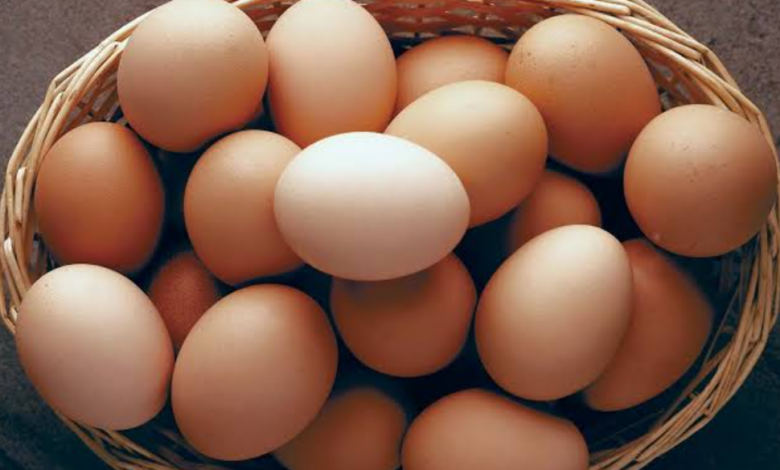
Imagine opening a carton of eggs and noticing three different yolk colors. One egg has a pale-yellow center, another has a golden yolk, and the third has a rich orange appearance. At first glance, the darkest yolk might seem like the most nutritious option. Many people associate a deeper color with a healthier chicken, a better diet, and a higher-quality egg. However, the relationship between yolk color and nutritional value is more complicated than it may appear. Although yolk color can provide some information about a hen’s diet, it cannot independently determine which egg is the healthiest choice.
Eggs are a familiar part of meals in many households. They are versatile, relatively easy to prepare, and can be included in a variety of eating patterns. People enjoy them boiled, scrambled, poached, or incorporated into other dishes. Their nutritional value makes them a useful source of protein and several essential nutrients. Understanding what influences yolk color, how eggs contribute to a balanced diet, and what to consider when purchasing them can help consumers make more informed decisions.
What Determines the Color of an Egg Yolk?
The color of an egg yolk depends largely on the hen’s diet. Certain foods contain naturally occurring pigments known as carotenoids, which can contribute yellow, golden, and orange shades. These pigments are present in ingredients such as corn, grass, alfalfa, and marigold petals. When hens consume feed containing different amounts and types of these pigments, the color of their yolks can vary.
A hen that consumes more feed ingredients containing particular carotenoids may produce eggs with a deeper orange appearance. Another hen receiving a different combination of ingredients may lay eggs with lighter yellow yolks. These differences can occur naturally and do not necessarily indicate a problem with the egg.
The amount and type of pigment in a hen’s feed are important factors, but they are not the only considerations affecting yolk color. The overall feeding program and the characteristics of the ingredients used can influence the final appearance. Consequently, two eggs from different farms may look noticeably different even when both are suitable for ordinary cooking and consumption.
This explains why yolk color varies among eggs sold in grocery stores, farmers’ markets, and other food retailers. The appearance of the yolk reflects certain aspects of the hen’s feeding conditions rather than providing a complete assessment of the egg.
Does a Darker Yolk Mean a Healthier Chicken?
A deep-orange yolk can be visually appealing, and some consumers prefer it because it looks rich and colorful. However, yolk color alone cannot establish whether a hen is healthier than another hen.
The health of a chicken depends on several factors, including nutrition, access to clean water, living conditions, disease prevention, and appropriate care. A yolk’s appearance does not reveal all these details. Although feed can influence color, a darker yolk does not automatically demonstrate that the hen has received better overall care.
Similarly, a pale-yellow yolk does not necessarily indicate that a chicken is unhealthy or poorly nourished. A hen may produce lighter-colored yolks simply because its feed contains fewer pigments or a different combination of ingredients.
It is therefore important to distinguish between a visible characteristic and a complete measure of quality. Yolk color is easy to observe, but animal health involves many factors that cannot be judged by looking at a single egg.
Consumers who want to learn more about egg production can examine information provided by producers and retailers. Details about farming practices, feeding programs, and production standards may offer a broader understanding of how the eggs were produced.
Are Orange Yolks More Nutritious Than Yellow Yolks?
The nutritional value of an egg cannot be accurately ranked by yolk color alone. Eggs provide several important nutrients, and their composition can vary according to factors such as the hen’s diet, the production system, and the specific nutrient being measured.
Eggs are widely recognized as a source of high-quality protein. Protein supplies amino acids that the body uses to maintain and repair tissues and support many normal biological functions. Including eggs in meals can help people meet their daily protein needs as part of a varied diet.
Eggs also contain vitamin B12, which supports normal nerve function and the formation of red blood cells. They provide selenium, an essential mineral involved in several processes in the body, including antioxidant functions. Another important nutrient found in eggs is choline.
Choline contributes to normal brain function, cell structure, and other essential processes. Eggs are a useful dietary source of this nutrient, making them a convenient option for people who want to include a range of nutrients in their meals.
Eggs can also supply vitamin D, although the amount varies. Vitamin D supports normal calcium absorption and contributes to bone health. However, consumers should not assume that every egg contains the same quantity of this vitamin.
A darker yolk may contain higher amounts of certain pigments, including particular carotenoids, depending on the hen’s diet. Nevertheless, a more intense color does not establish that the egg contains greater amounts of every nutrient. Nutritional differences must be evaluated by examining the relevant nutrient content rather than relying on appearance.
For everyday shoppers, the most useful conclusion is straightforward: pale-yellow, golden, and orange yolks can all come from eggs that contribute valuable nutrients to a balanced eating pattern.
Understanding the Difference Between Yolk Color and Egg Quality
Egg quality involves several characteristics, including freshness, shell condition, handling, storage, and nutritional composition. Yolk color is only one visible feature.
For example, an egg with a bright orange yolk may look appealing, but that appearance does not confirm how recently the egg was collected or whether it has been stored correctly. Likewise, a pale yolk does not automatically indicate lower freshness or poorer quality.
The shell also provides useful information during shopping. Consumers should inspect cartons and avoid eggs with visibly cracked or damaged shells. A damaged shell can make it easier for microorganisms to enter the egg, so selecting intact eggs is a sensible precaution.
Freshness and food safety are especially important because eggs can sometimes contain harmful bacteria even when they look and smell normal. Appearance alone cannot establish whether an egg is free from foodborne pathogens.
Following recommended storage and cooking practices is therefore more important than choosing an egg solely because its yolk has a particular shade.
When comparing products, shoppers can also consider the producer, packaging information, storage requirements, and any relevant quality standards. These details provide a more useful basis for making a purchasing decision than color alone.
What Do Cage-Free, Free-Range, and Pasture-Raised Labels Mean?
Egg cartons often display terms describing the conditions in which hens are raised. Common examples include cage-free, free-range, and pasture-raised. Although these terms can help consumers understand aspects of egg production, they do not all describe the same conditions.
Cage-free generally indicates that hens are not kept in conventional cages. However, it does not necessarily mean that the birds have access to the outdoors.
Free-range generally refers to production systems that provide hens with outdoor access under applicable standards. The details of that access can differ depending on the certification program and regulations that apply.
Pasture-raised is commonly used to describe systems in which hens have access to outdoor pasture. Nevertheless, the precise conditions, including outdoor access and management practices, can vary among producers and labeling programs.
These descriptions may matter to consumers who want to consider animal-housing practices when purchasing eggs. However, the labels should not automatically be interpreted as proof that every egg from a particular category contains more nutrients.
Production methods, feed composition, and other factors can influence the characteristics of eggs. Therefore, consumers interested in nutritional differences should look for reliable product information rather than assuming that a specific farming label guarantees a particular nutritional advantage.
Reading the carton carefully can help shoppers understand what a producer claims about its products. When a label includes a certification, reviewing the applicable standards can provide additional context.
Why Hen Feed Matters Beyond Yolk Appearance
A hen’s diet is important because it supports the bird’s nutritional needs and can influence the composition of the eggs it produces. Poultry feed is generally formulated to provide an appropriate balance of nutrients, including protein, energy, vitamins, and minerals.
Ingredients can differ in their pigment content, which helps explain variations in yolk color. However, the nutritional characteristics of feed involve much more than pigmentation. The overall composition of a feeding program matters for the hen’s well-being and the quality of its eggs.
Some producers may use particular feed ingredients to influence yolk color because consumers have different preferences. A richer orange shade may be more appealing to some shoppers, while others may prefer a traditional yellow yolk.
This means that color can sometimes reflect a deliberate feeding choice rather than a simple difference in the overall health of the bird. Without additional information about the hen’s diet and production conditions, it is difficult to draw broader conclusions from appearance alone.
Consumers do not need to investigate every ingredient to enjoy eggs as part of an ordinary diet. Still, understanding the influence of feed can help explain why eggs from different sources may look different even when their basic nutritional role is similar.
How to Store and Prepare Eggs Safely
Regardless of yolk color, proper handling is an important part of choosing and preparing eggs. Food safety practices can help reduce the risk of foodborne illness and protect the quality of the food.
When shopping, examine the carton for damaged shells and follow the storage instructions provided on the packaging. In the United States, commercially sold shell eggs that require refrigeration should be kept refrigerated. After purchasing them, place them in the refrigerator promptly and avoid leaving them at room temperature for extended periods.
Keeping eggs in their original carton can help protect them from damage and preserve useful information, such as the producer’s details and date markings. Follow the product’s storage guidance and local food-safety recommendations.
Before preparing a meal, wash your hands and clean surfaces that have come into contact with raw eggs. Use clean utensils and avoid allowing raw egg contents to touch foods that will be eaten without further cooking.
Cook eggs until both the whites and yolks are firm when following standard home-cooking guidance. Dishes containing eggs should also be cooked thoroughly. People who need to take extra precautions, including certain individuals with weakened immune systems, may benefit from choosing pasteurized eggs for recipes that call for raw or lightly cooked eggs.
These practices are relevant whether the yolk is pale yellow, golden, or deep orange. Safe handling and appropriate cooking are essential considerations that color cannot replace.
How to Choose Eggs for Everyday Meals
When purchasing eggs, it helps to focus on the characteristics that matter most to your household. Budget, availability, preferred cooking methods, production practices, and nutritional needs can all influence the choice.
Some consumers prefer eggs with orange yolks because they enjoy the appearance in breakfast dishes, salads, or baked meals. Others are perfectly satisfied with lighter yellow yolks. Neither preference is inherently better from a nutritional standpoint.
You can compare carton sizes, prices, storage instructions, and production labels to determine which product best meets your needs. If a producer provides reliable nutritional information, reviewing that information may also help when comparing products with specific dietary goals.
Eggs can be included in many different meals. A boiled egg can accompany whole-grain toast, while scrambled eggs can be served with vegetables. Eggs can also be combined with beans, whole grains, fruit, or other foods to create meals that provide a broader range of nutrients.
A balanced eating pattern depends on the overall variety and composition of the foods consumed over time, rather than on one ingredient or one visible characteristic. Eggs can contribute useful nutrients, but they do not need to be selected according to a particular yolk color to serve that purpose.
People with specific dietary requirements can consider their individual needs and consult a qualified healthcare professional or registered dietitian when personalized guidance would be helpful.
The Bottom Line: Which Egg Is the Best Choice?
When comparing pale-yellow, golden, and deep-orange yolks, there is no universal winner based on color alone. Yolk color is influenced largely by the pigments present in a hen’s feed, and it does not provide a complete measure of the bird’s health, the egg’s freshness, or its overall nutritional value.
Eggs can supply high-quality protein and important nutrients such as vitamin B12, selenium, and choline. The amount of particular nutrients can vary, but consumers should not assume that a darker yolk automatically means a more nutritious egg.
Instead of judging eggs by appearance alone, consider the information on the carton, the condition of the shells, the producer’s labeling, and appropriate storage and preparation practices. These factors provide a more complete foundation for making informed choices.
The next time you open an egg carton, feel free to appreciate the natural variety of yolk colors. A pale-yellow yolk can be just as suitable for everyday meals as a golden or orange one. What matters most is choosing eggs that meet your preferences, handling them safely, and including them in a varied and balanced diet.